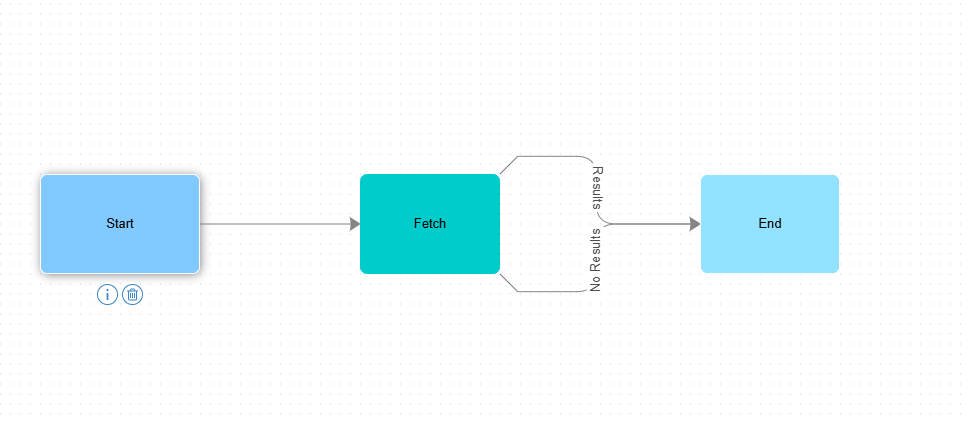
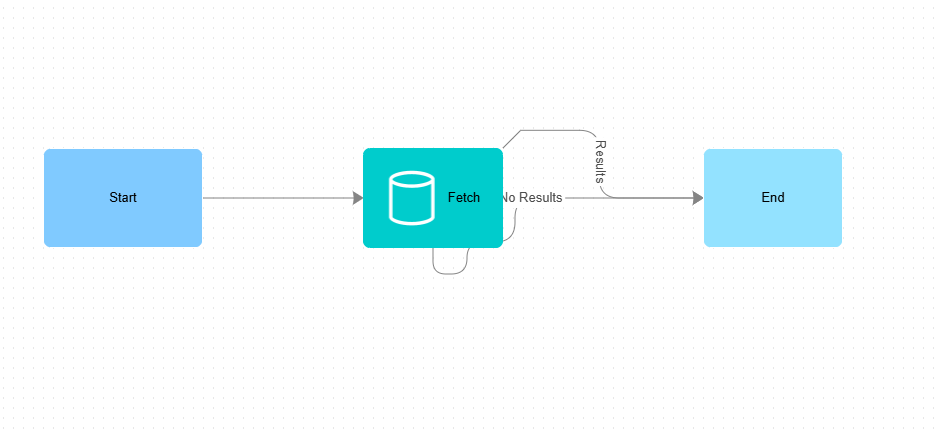
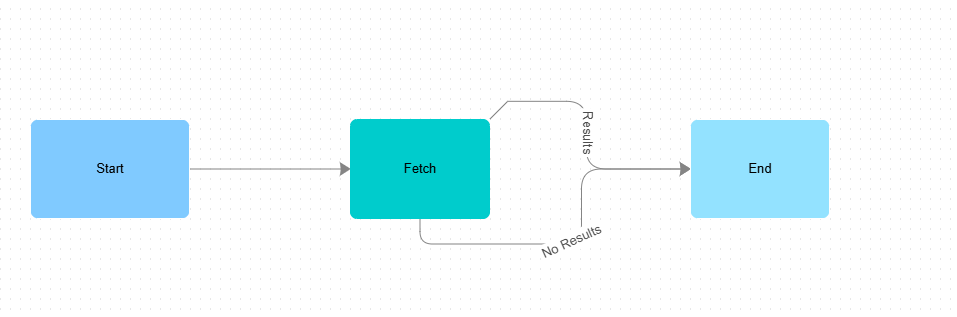
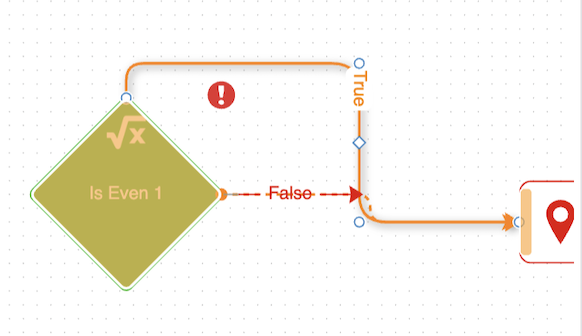
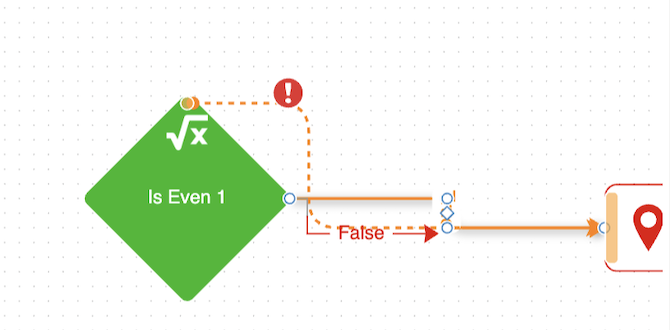
@walter I did my best to create a reproducible example outside of our project, I didn’t manage to do that.
However, the code below looks very similar to our code.
And what I’ve managed to nail down — If I remove line this.temporaryFromPort = createTemporaryPort(); — issue disappears. So, most probably the problem is in overriding temporaryFromPort, probably we are doing it incorrectly. What do you think?
<!DOCTYPE html>
<html lang="en">
<head>
  <meta charset="UTF-8" />
  <title>GoJS Flow Diagram – Multiple Ports</title>

  <!-- GoJS from CDN -->
  <script src="https://unpkg.com/gojs/release/go.js"></script>

  <style>
    html, body {
      margin: 0;
      padding: 0;
      height: 100%;
      background: #f5f7fa;
      font-family: Arial, sans-serif;
      color: #333;
    }

    .page {
      min-height: 100%;
      padding: 32px;
      box-sizing: border-box;
    }

    .container {
      max-width: 1100px;
      margin: 0 auto;
    }

    h1 {
      margin-bottom: 24px;
      font-size: 32px;
    }

    .card {
      background: #ffffff;
      border: 1px solid #ddd;
      border-radius: 8px;
      padding: 16px;
      margin-bottom: 24px;
    }

    .card h2 {
      margin-top: 0;
      margin-bottom: 8px;
      font-size: 18px;
    }

    .card ul {
      margin: 0;
      padding-left: 18px;
      font-size: 14px;
    }

    .card li {
      margin-bottom: 6px;
    }

    #diagramDiv {
      width: 100%;
      height: 600px;
      background: #ffffff;
      border: 2px solid #ddd;
      border-radius: 8px;
      box-shadow: 0 8px 24px rgba(0, 0, 0, 0.08);
    }
  </style>
</head>

<body>
  <div class="page">
    <div class="container">
      <h1>GoJS Flow Diagram with Multiple Ports</h1>

      <div class="card">
        <h2>Features</h2>
        <ul>
          <li>8 connection ports per node (edges + corners)</li>
          <li>Edge ports span full side minus padding</li>
          <li>Grid snapping while dragging nodes</li>
          <li>Relinkable connections with custom temporary ports</li>
          <li>Each port has a distinct color</li>
          <li>Custom relinking tool with live port visualization</li>
        </ul>
      </div>

      <div id="diagramDiv"></div>
    </div>
  </div>

  <script>
    const $ = go.GraphObject.make;
    const PORT_SIZE = 10;
    const NODE_WIDTH = 140;
    const NODE_HEIGHT = 100;

    function createStepPort(
      alignment,
      id,
      connectionSpot,
      fromLinkable = true,
      toLinkable = true,
      visualShape
    ) {
      return $(
        go.Panel,
        "Spot",
        {
          alignmentFocus: alignment instanceof go.Spot ? alignment : go.Spot.Center,
          portId: id,
          fromLinkable,
          toLinkable,
          toLinkableDuplicates: toLinkable,
          cursor: "pointer",
          ...(alignment instanceof go.Spot
            ? {
                alignment,
                toSpot: connectionSpot || alignment,
                fromSpot: connectionSpot || alignment
              }
            : {
                toSpot: connectionSpot || go.Spot.Center,
                fromSpot: connectionSpot || go.Spot.Center
              })
        },
        ...(alignment instanceof go.Binding ? [alignment] : []),
        visualShape ||
          $(go.Shape, {
            width: PORT_SIZE,
            height: PORT_SIZE,
            stroke: null,
            fill: "transparent"
          })
      );
    }

    function createGoTemporaryLinkTemplate() {
      return $(
        go.Link,
        {
          routing: go.Routing.Normal,
          curve: go.Curve.JumpOver,
          corner: 5,
          toShortLength: 4
        },
        $(go.Shape, {
          isPanelMain: true,
          stroke: "#FF8000",
          strokeWidth: 2,
          strokeDashArray: [4, 4]
        }),
        $(go.Shape, {
          toArrow: "Standard",
          stroke: null,
          fill: "#FF8000",
          scale: 1.5
        }),
        $(go.Shape, "Circle", {
          width: 9,
          height: 9,
          fill: "#FF8000",
          segmentIndex: 0,
          segmentFraction: 0
        }),
        $(
          go.TextBlock,
          {
            alignment: go.Spot.Center,
            segmentFraction: 0.5,
            segmentOrientation: go.Orientation.Upright,
            font: "bold 13px sans-serif",
            stroke: "black"
          },
          new go.Binding("text", "label")
        )
      );
    }

    function createLinkHandle(options) {
      return $(go.Shape, {
        desiredSize: new go.Size(8, 8),
        fill: "lightblue",
        stroke: "dodgerblue",
        cursor: options.cursor,
        segmentIndex: options.segmentIndex
      });
    }

    function createTemporaryPort() {
      const port = $(
        go.Panel,
        "Spot",
        $(go.Shape, "RoundedRectangle", { name: "TO_PORT_SHAPE" })
      );
      resetTemporaryPort(port);
      return port;
    }

    function resetTemporaryPort(port) {
      const shape = port.findObject("TO_PORT_SHAPE");
      if (!shape) return;

      shape.margin = 1;
      shape.figure = "RoundedRectangle";
      shape.stroke = "white";
      shape.strokeWidth = 2;
      shape.fill = "rgba(255,172,76,0.7)";
    }

    function customizeTemporaryPort(port, targetPort) {
      const shape = port.findObject("TO_PORT_SHAPE");
      if (!shape || !targetPort) return;

      shape.strokeWidth = 1;
      shape.margin = 0;
      shape.figure = targetPort.width === targetPort.height ? "Circle" : "RoundedRectangle";

      const b = targetPort.getDocumentBounds();
      port.width = b.width;
      port.height = b.height;
    }

    class FlowDesignerGoJSRelinkingTool extends go.RelinkingTool {
      constructor() {
        super();
        this.portGravity = 50;
        this.fromHandleArchetype = createLinkHandle({ cursor: "move", segmentIndex: 0 });
        this.toHandleArchetype = createLinkHandle({ cursor: "move", segmentIndex: -1 });
        this.temporaryFromPort = createTemporaryPort();
        this.temporaryToPort = createTemporaryPort();
        this.temporaryLink = createGoTemporaryLinkTemplate();
      }

      isReconnectingStart() {
        return this.handle && this.handle.segmentIndex === 0;
      }

      doMouseMove() {
        super.doMouseMove();
        if (!this.isActive) return;

        const staticPort = this.isReconnectingStart() ? this.temporaryToPort : this.temporaryFromPort;
        const originalPort = this.isReconnectingStart() ? this.originalToPort : this.originalFromPort;
        customizeTemporaryPort(staticPort, originalPort);

        const target = this.findTargetPort(true);
        if (target) {
          customizeTemporaryPort(
            this.isReconnectingStart() ? this.temporaryFromPort : this.temporaryToPort,
            target
          );
        } else {
          resetTemporaryPort(
            this.isReconnectingStart() ? this.temporaryFromPort : this.temporaryToPort
          );
        }
      }
    }

    const diagram = $(go.Diagram, "diagramDiv", {
      "undoManager.isEnabled": true,
      initialContentAlignment: go.Spot.Center,
      "grid.visible": true,
      "grid.gridCellSize": new go.Size(20, 20),
      "draggingTool.isGridSnapEnabled": true
    });

    diagram.toolManager.relinkingTool = new FlowDesignerGoJSRelinkingTool();

    diagram.nodeTemplate = $(
      go.Node,
      "Spot",
      new go.Binding("location", "loc", go.Point.parse).makeTwoWay(go.Point.stringify),
      $(go.Shape, "Rectangle", {
        width: NODE_WIDTH,
        height: NODE_HEIGHT,
        fill: "lightblue",
        stroke: "#4a90e2",
        strokeWidth: 2
      }, new go.Binding("fill", "color")),
      $(go.TextBlock, { font: "bold 14px Arial" }, new go.Binding("text", "text")),

      createStepPort(go.Spot.Left, "left", go.Spot.Left, true, true,
        $(go.Shape, "Rectangle", { width: PORT_SIZE, height: NODE_HEIGHT - 20, fill: "#ff6b6b" })
      ),
      createStepPort(go.Spot.Top, "top", go.Spot.Top, true, true,
        $(go.Shape, "Rectangle", { width: NODE_WIDTH - 20, height: PORT_SIZE, fill: "#4ecdc4" })
      ),
      createStepPort(go.Spot.Right, "right", go.Spot.Right, true, true,
        $(go.Shape, "Rectangle", { width: PORT_SIZE, height: NODE_HEIGHT - 20, fill: "#95e1d3" })
      ),
      createStepPort(go.Spot.Bottom, "bottom", go.Spot.Bottom, true, true,
        $(go.Shape, "Rectangle", { width: NODE_WIDTH - 20, height: PORT_SIZE, fill: "#f38181" })
      ),

      createStepPort(go.Spot.TopLeft, "topleft", go.Spot.TopLeft, true, true,
        $(go.Shape, "Circle", { width: PORT_SIZE, height: PORT_SIZE, fill: "#aa96da" })
      ),
      createStepPort(go.Spot.TopRight, "topright", go.Spot.TopRight, true, true,
        $(go.Shape, "Circle", { width: PORT_SIZE, height: PORT_SIZE, fill: "#fcbad3" })
      ),
      createStepPort(go.Spot.BottomLeft, "bottomleft", go.Spot.BottomLeft, true, true,
        $(go.Shape, "Circle", { width: PORT_SIZE, height: PORT_SIZE, fill: "#ffffd2" })
      ),
      createStepPort(go.Spot.BottomRight, "bottomright", go.Spot.BottomRight, true, true,
        $(go.Shape, "Circle", { width: PORT_SIZE, height: PORT_SIZE, fill: "#a8d8ea" })
      )
    );

    diagram.linkTemplate = $(
      go.Link,
      {
        relinkableFrom: true,
        relinkableTo: true,
        reshapable: true,
        routing: go.Routing.AvoidsNodes,
        curve: go.Curve.JumpOver,
        corner: 20
      },
      $(go.Shape, { stroke: "#4a90e2", strokeWidth: 3 }),
      $(go.Shape, { toArrow: "Standard", fill: "#4a90e2", scale: 1.5 }),
      $(go.TextBlock, {
        margin: 4,
        background: "white",
        font: "10pt Arial"
      }, new go.Binding("text", "text"))
    );

    const model = new go.GraphLinksModel(
      [
        { key: 1, text: "Step 1", color: "lightblue", loc: "100 150" },
        { key: 2, text: "Step 2", color: "lightgreen", loc: "350 150" },
        { key: 3, text: "Step 3", color: "lightyellow", loc: "225 300" }
      ],
      [
        { from: 1, to: 2, fromPort: "right", toPort: "left" },
        { from: 1, to: 3, fromPort: "bottom", toPort: "top" },
        { from: 2, to: 3, fromPort: "bottomleft", toPort: "topright" }
      ]
    );

    model.linkFromPortIdProperty = "fromPort";
    model.linkToPortIdProperty = "toPort";
    diagram.model = model;
  </script>
</body>
</html>
The only way currently to solve the problem I’ve found:
diagram.addDiagramEventListener("LinkRelinked", () => {
    diagram.rebuildParts();
});